
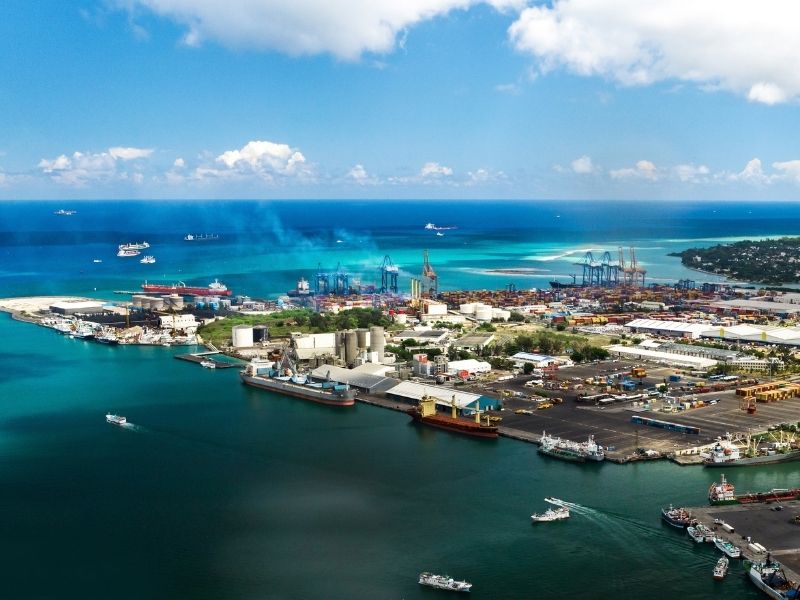
Port-adjacent industrial properties sit at the crossroads of global trade and local economies. Their proximity to deepwater terminals, intermodal yards, and customs zones can supercharge logistics performance, but that same closeness also concentrates operational and regulatory risk. For investors, developers, and occupiers, the calculus is a balance of throughput advantages versus volatility and exposure. Understanding the moving parts helps clarify where these assets shine—and where they can stumble.
Strategic advantages of proximity
By being located close to the dock, the “first mile” takes less time and is thus less expensive due to shortened drayage times. The close proximity of shippers to the docks permits quicker turn times on full containers, this gives the opportunity to minimize their demurrage and detention time, therefore increasing the utilization of their chassis.
Third-party logistics providers and retailers with a high volume of imports benefit from being located so near to the docks as they are able to execute as many order cycles as possible and anticipate more consistent service levels. However, adjacent ports are not only about speed. Due to the proximity to rail spur lines and heavy-haul corridors, port-adjacent facilities have the ability to easily transfer between modes. As a result, the tenant base expands considerably, increasing rents and decreasing structural vacancy, as well as providing more intermodal options to tenants ranging from freight forwarders to cold-chain facilities.
As global volumes shift toward a specific gateway, the demand for facilities in close proximity to that gateway will increase.
Find your next property with Agora. Contact us today.
Development and design considerations
The expectation of modern tenants for warehouse buildings can be summed up as a design that creates minimal friction for container transfers. A solution to fulfill that expectation would include deep truck courts, adequate numbers of dock-high doors, and sufficient queuing lanes to ensure there is no spillover onto public roads.
In addition, higher clear heights and ESFR sprinkler systems provide ideal fire protection for high-velocity racking areas. To accommodate peak season surges without impeding operations, yards must also have adequate yard depths.
Buildings must be designed with heavy loads in mind. Pavement section thicknesses and subgrade reinforcements could help handle the constant turning radii created by drayage tractors. In cases where rail is present, whether it be via on-site transloading capabilities or a direct rail siding, this can be a definitive advantage for the building owner.
Regulatory and environmental complexity
Port zones bring a dense web of rules. Air-quality mandates target diesel emissions from drayage fleets, yard tractors, and material-handling equipment. Compliance can require shore-power compatibility for cross-docked reefer units, EV charging infrastructure, and participation in clean-truck programs. These add upfront capex but can future-proof the asset.
Environmental considerations extend to stormwater management and potential soil contamination from historical uses. Sites may sit within floodplains or liquefaction zones, requiring elevated pads, flood barriers, or geotechnical upgrades. Entitlements can stretch timelines, so underwriting must account for permitting risk and community review processes.
You might be interested in: How to evaluate risk across different commercial real estate asset classes
Market dynamics and rent behavior
Rents near major ports tend to be higher and more resilient, reflecting scarcity of land and persistent tenant demand. In tight markets, landlords can capture mark-to-market upside as legacy leases roll. Yet exposure cuts both ways: shifts in ocean alliances, labor disputes, or canal disruptions can reroute volumes, denting absorption and tempering rent growth.
Port congestion creates a paradox. During surges, tenants might hoard space for buffer inventory, supporting rent spikes. But extended congestion can push importers toward inland ports or alternative gateways, diluting demand locally. Understanding each port’s competitive moat—water depth, crane technology, rail partnerships—helps gauge durability.
Risk management and capital planning
Underwriting should model throughput volatility and downtime from strikes, storms, or infrastructure upgrades. Business interruption insurance, contingency yards, and flexible lease structures (shorter terms with escalators or expansion options) can cushion shocks. Operators benefit from dual-gate access and redundant utility feeds to maintain uptime.
Capital plans should prioritize resilience: roof solar to offset energy costs, battery systems to stabilize cold-chain loads, and automation-friendly layouts to handle labor tightness. Green certifications can unlock incentives and broaden the tenant pool, especially among ESG-focused shippers seeking lower carbon footprints.
Find our featured listing here.
Who wins—and when
Port-adjacent assets excel for tenants with high import ratios, time-sensitive goods, or complex intermodal needs. Developers win when they can assemble enough acreage to deliver modern specs, secure entitlements, and stage projects to match trade cycles. Investors fare best with disciplined entry pricing, patient hold periods, and active asset management.
The bottom line: the right site near the right port can deliver outsized operational gains and durable cash flows. But success depends on rigorous due diligence, design tuned to heavy logistics, and a pragmatic view of regulatory and market swing factors. In a world where trade lanes and technologies keep shifting, adaptability is the ultimate moat.
If you found our article useful, please share it with others and don’t forget to follow us on Facebook, Instagram and LinkedIn as well as check out our services at agorare.com