
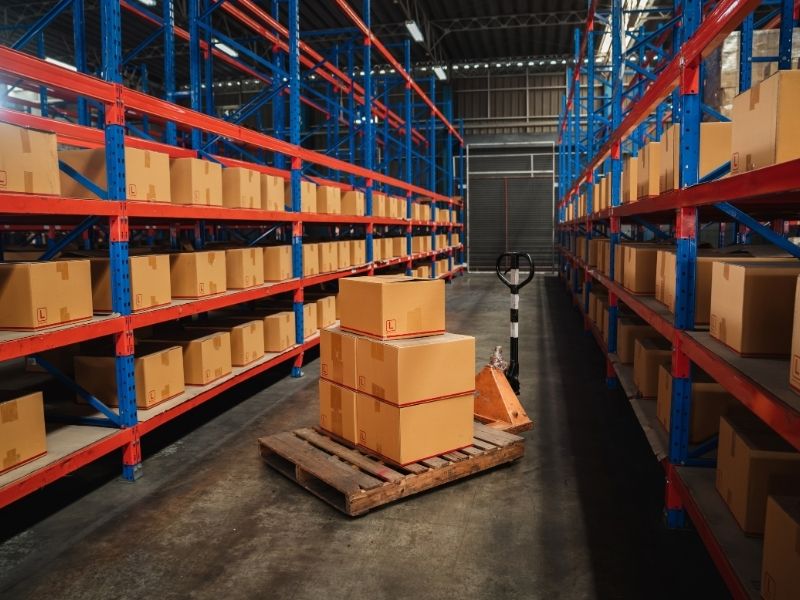
The commercial real estate sector is witnessing a distinct shift in tenant preferences as we move through early 2026. According to recent data, the demand for newer industrial assets has reached a multiyear high, highlighting a significant divergence in performance between modern facilities and older inventory. While the overall market landscape presents various challenges, occupiers are aggressively pursuing high-quality, modern logistics spaces, driven by the need for operational efficiency and advanced infrastructure.
This trend is redefining competitive advantages for landlords and investors, marking a clear preference for functional, state-of-the-art facilities over cost considerations alone.
“Flight to quality” dominates tenant behavior
According to GlobeSt’s report, the delta between vacancy rates in modern facilities versus older, functionally obsolete properties has widened significantly. Tenants are actively seeking recently constructed assets, resulting in record absorption rates for buildings delivered within the last 24 months.
The recent rise of warehouses is not only related to how the buildings look but also because many of their current locations have older building types that do not have the specific infrastructure improvements needed to support the current demand. Therefore, this rapidly growing demand for warehouse space is nearly exclusively focused on having an abundance of high ceilings and deep truck courts because occupiers currently regard those as required minimum standards for achieving a satisfactory level of logistical efficiency.
Find more real estate news on Agora’s website.
Automation and functional requirements drive demand
A primary driver behind this multiyear high in demand is the rapid adoption of automation and robotics within the logistics sector. Warehouses in 2026 require significantly higher electrical amperage to power sophisticated sorting systems, EV charging stations for delivery fleets, and advanced cold-storage capabilities.
Older facilities often lack the grid capacity to support these advancements. As a result, companies are willing to pay premium rents for new construction just to ensure their technological infrastructure is future-proof. This trend is accelerating the obsolescence of older industrial stock that cannot be retrofitted efficiently.
We recommend that you see: How to choose the right warehouse in Miami: A strategic 2026 selection guide
Outlook for the industrial sector
There are different segments in this market: while newer assets (those with Class A quality) can charge the highest rent and maintain the best occupancy levels (also lots of competition), older Class B/C assets will likely need a good amount of capital to continue to be competitive. We anticipate the trend toward quality being prioritized over lower cost will continue for the rest of 2026, which would indicate that the future of the industrial market will be based on which asset class can meet both the technological requirements and the sustainability expectations of today’s buyers and tenants.
If you found our article useful, please share it with others and don’t forget to follow us on Facebook, Instagram and LinkedIn as well as check out our services at agorare.com
This news report was adapted from data and insights originally published by GlobeSt.com on February 24, 2026, in the article titled “Demand for Newer Industrial Assets Hits Multiyear High.” The original article highlights how the national trend of prioritizing modern, high-spec industrial facilities is driving record demand and high rental premiums for recently constructed assets across the country.