
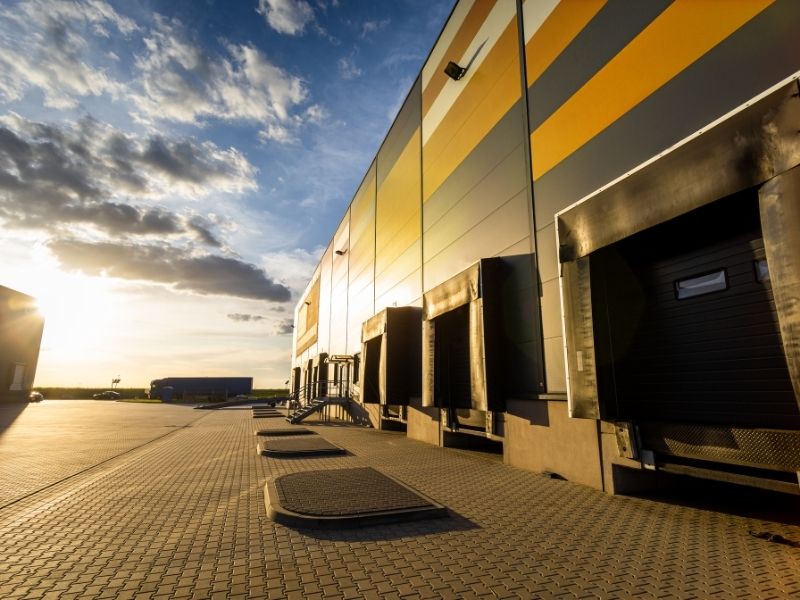
In Miami’s fast-evolving logistics hub, positioning industrial assets for long-term value demands more than riding the next rent spike. Owners and developers need a strategic blend of location analytics, operational resilience, and tenant-centric design that anticipates trade flows, climate risks, and technology shifts. Here’s how to turn today’s square footage into tomorrow’s outperformer.
Location intelligence and trade connectivity
The industrial value of Miami is tied to its connection to Latin America and the e-commerce corridor. The closeness of PortMiami and Miami International Airport, as well as other transportation hubs decreases the cost of transportation and speeds up the delivery time for products.
To maximize the potential for increased demand for taxiways on the drive to these transportation hubs, find or replace property in that short distance and on major truck traffic roadways (arteries). Next, use data to help determine which sites have the most favorable economics relative to demand.
Analyzing the types of cargo transported, the volume of perishable shipments, and the way free-trade-zoned properties are utilized will show how to adjust the building specifications based on what tenants may be attracted to those sites. Lastly, properties that have a strong linkage to supply chains and refrigerated goods (i.e. nearshoring) will likely receive longer-term leases and higher rents because of their strong tenant profiles.
Agora helps you with your next move through a personalized approach. Contact us today and make the best real estate choices.
Future-proof specs and flexible design
Design for flexibility, not just maximum clear heights. While 32 ‘+ clear remains attractive, the real hedge is modularity—column spacing that supports racking reconfiguration, knockout panels for future dock doors, and power capacity that can scale with automation. Use generous truck courts, ample trailer parking, and dual ingress/egress to future-proof circulation.
Inside the box, build for tech adoption. Conduit pathways, Wi-Fi saturation, and floor flatness tolerances for AMRs/AGVs make a warehouse plug-and-play. Spec higher lumens, motion sensors, and submetered systems so operators can manage their own energy profile without capex delays.
Resilience, insurance, and climate adaptation
Miami’s risk-adjusted returns rely on climate resilience. Elevate critical systems above flood lines; harden envelopes to hurricane codes; and integrate impact glazing. Investment in grading, swales, and pump capability to manage stormwater. These measures allow for the maximization of occupancy duration/frustrating no occupancy.
Additionally, provide access to affordable coverage, and maximize buyer pool for sales. The combination of climate resilience with an insurance strategy involves: capturing wind credits (if eligible), exploring parametric policies for flooding/surge events, and having business interruption terms pre-negotiated. Demonstrated modelling of loss reduction can lead to increased stability in Net Operating Income (NOI) and a compression of Capitalized Rate (Cap Rate).
You might be interested in: Industrial real estate finds its groove again
Energy, ESG, and operating cost control
Power is the new location. Rooftop solar, EV charging for truck fleets, and smart building systems cut operating expenses and attract sustainability-minded users. Target LEED, ENERGY STAR, or local green incentives to enhance absorption and qualify for rebates that offset capex.
Implement submetering and granular utility monitoring to create transparent, pass-through-ready CAM structures. Battery storage paired with time-of-use strategies can shave peaks, while cool roofs and high R-value insulation reduce load—improving tenant retention during utility price volatility.
See our featured listing here.
Tenant mix, lease structures, and active management
Curate a tenant roster that balances credit quality with growth sectors—3PLs, cold storage operators, and nearshoring-related manufacturers. Avoid over-concentration in a single industry. Shorten free-rent periods but trade for longer terms and expansion options that keep tenants on campus.
Craft leases that preserve flexibility and downside protection: annual rent bumps, CPI kickers with caps, and maintenance standards that protect building systems. Maintain a proactive asset management cadence—quarterly ops reviews, capital plans tied to market comps, and early renewals—to defend NOI and drive comp-setting trades at disposition.
If you found our article useful, please share it with others and don’t forget to follow us on Facebook, Instagram and LinkedIn as well as check out our services at agorare.com