
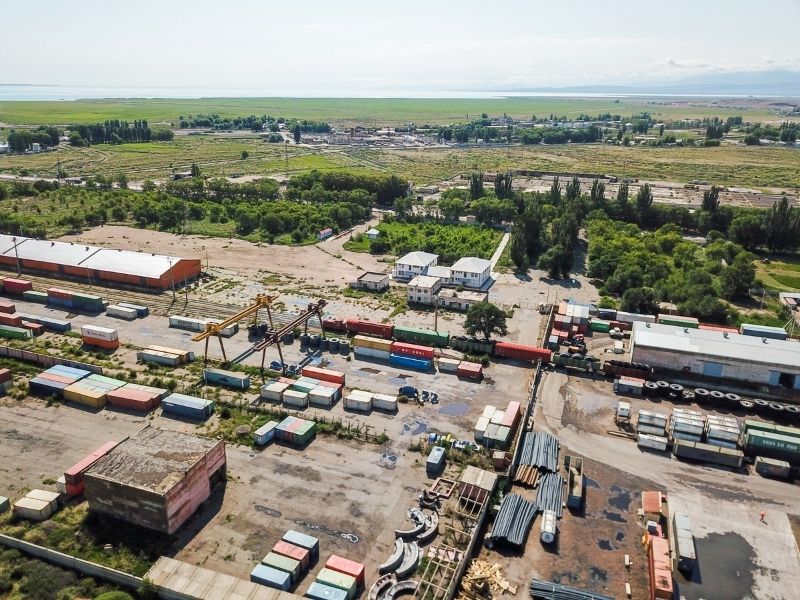
When you’re hunting for industrial real estate deals, the best opportunities are often the ones nobody else sees yet. Before a listing ever hits the market, there are signals—subtle and loud—that a property may be undervalued. With a repeatable process and a few scrappy tactics, you can get there first.
Read the local industrial pulse
You can begin with zoning maps, planning commission agendas, and building-permit logs. If the city you are aiming for is expanding new truck routes or upgrading utilities in a corridor, nearby warehouses usually get a quiet boost in value. Pair that with freight data and port throughput. Rising volumes tend to precede rent growth.
If within reach, perhaps talk to code inspectors, utility engineers, and permitting clerks. They are able to see tenant expansions, power upgrades, and sprinkler retrofits months before brokers do. You’d be surprised by what a casual chat can reveal about which blocks are heating up without a single listing going live.
Need assistance choosing the ideal property? Call us.
Track distress before it’s obvious
Watch UCC filings, mechanic’s liens, tax-delinquency rolls, and foreclosure notices. These breadcrumbs flag owners under pressure who might sell off-market. Cross-check with insurance claims or fire department reports; a minor incident can trigger a capital call that some owners can’t meet.
We also recommend that you monitor lease rollover cliffs. If a property has two major tenants expiring in the same quarter, lenders may get nervous. Even if fundamentals are safe. That fear may translate into an underpriced sale, as long as you’re ready to step in with a convenient plan.
Build an insider intel network
Even today, relationships beat algorithms. Industrial appraisers, environmental consultants, and phase-one assessors are the first ones to hear about financing hiccups or environmental flags that scare less experienced buyers away. Having the right network will get you far.
Don’t forget vendors: racking installers, dock-leveler techs, and paving contractors know when a landlord is deferring capex. Chronic deferral is a classic signal that a sale is coming—and that the price will reflect the backlog.
You can also read: What really determines the value of an industrial building?
Underwrite like a contrarian
Price the asset on today’s pain but tomorrow’s throughput. Look for power capacity, clear heights, truck court depth, and trailer parking—functional traits that drive rent even in soft markets. If a site is under-parked, model a restripe plan or a small land take; micro-changes can unlock tenant demand.
Stress tests three rent stories: base case (market today), upside (post-capex, operational tweaks), and downside (vacancy or short-term rollover). If the basis still pencils with conservative debt and DSCR, you’ve found an underpriced shot.
Partner with Agora and find the best deals in the market.
Move fast, but stay clean
Have term sheets pre-baked with lenders, attorneys, and environmental pros. Speed wins off-market deals, but clean diligence keeps you from buying a problem. Get your Phase I queued, estoppels templated, and a short-form LOI ready to fire.
Finally, be human. A seller under stress will often choose certainty over price. If you show up prepared, reasonable, and respectful, you’ll hear about the next underpriced opportunity before the rest of the market does.
If you found our article useful, please share it with others and don’t forget to follow us on Facebook, Instagram and LinkedIn as well as check out our services at agorare.com