
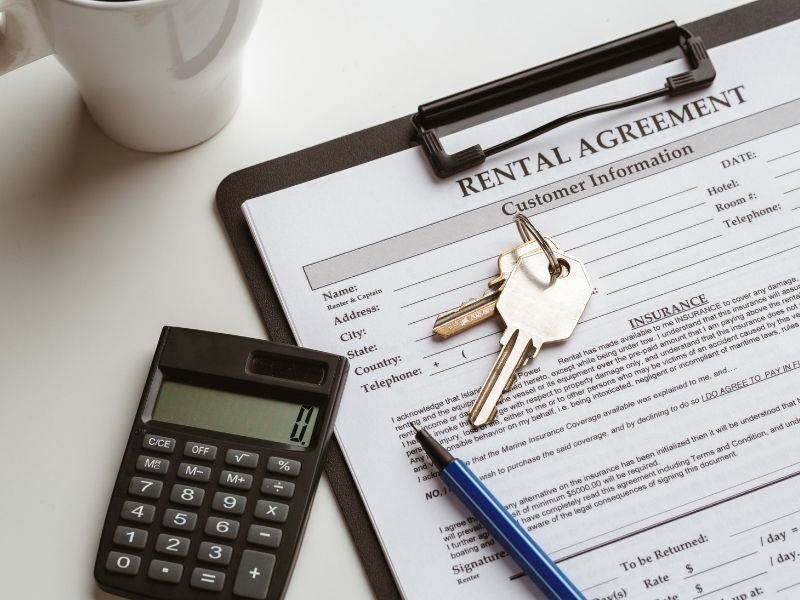
As the industrial market moves through the second quarter of 2026, the sector is entering a critical period of “lease resets.” According to recent data, occupiers are no longer simply looking for any available square footage; instead, they are aggressively prioritizing operational cost-efficiency and building quality as they evaluate their long-term real estate strategies.
The looming lease reset
A major portion of leases from the surge of new industrial leasing activity that occurred during the peak of the post-COVID-19 pandemic will be ending in 2026. For many lessees, this could result in having to pay significantly more than they currently pay for space based on the market rental rate. To address the rent increase, many tenants are evaluating their supply chains with the intention of determining whether the larger costs of occupying their respective locations can still be managed by their supply chain partners.
Companies are not automatically renewing their leases, and most are looking for better locations to operate out of by moving out of older, less energy-efficient buildings into newer buildings that will provide them with the ability to offset increased costs (higher rents) with energy-efficient operations, automated logistics, and better access to labor that operates in a respective area.
Don’t miss the latest real estate news. Visit our website for more.
Quality as a cost-mitigation tool
In the current high-rent environment, “Class A” features have transitioned from luxuries to necessities. Occupiers are specifically targeting facilities with:
- Enhanced cubic volume: 36-foot to 40-foot clear heights that allow for higher pallet density and sophisticated racking.
- Sustainability standards: LEED certifications and energy-efficient lighting/HVAC systems that lower daily operational costs.
- Modern power requirements: Upgraded electrical infrastructure to support the growing integration of warehouse automation and EV charging fleets.
You can also read: How the FIFA World Cup is scaling Florida’s commercial market
A disciplined expansion strategy
The aggressive “expansion at any cost” mentality seen in previous years has been replaced by a disciplined, data-driven strategy. Tenants are now more willing to consolidate multiple smaller nodes into a single, high-performance regional hub. This consolidation allows firms to reduce redundant management costs while optimizing transportation routes—a critical factor as fuel and labor costs remain elevated.
For developers and landlords, this shift means that the “bifurcation” of the market is intensifying. While demand for top-tier assets remains resilient, older “Class B” and “Class C” inventory is seeing slower absorption as occupiers prioritize buildings that contribute directly to their bottom-line efficiency.
If you found our article useful, please share it with others and don’t forget to follow us on Facebook, Instagram and LinkedIn as well as check out our services at agorare.com
Based on the article “Industrial Occupiers Prioritize Cost and Quality as Lease Reset Looms” published by GlobeSt.com on April 10, 2026. The piece explores how industrial tenants are navigating the expiration of pandemic-era leases by focusing on modern, high-efficiency facilities to offset rising rent and operational costs.