
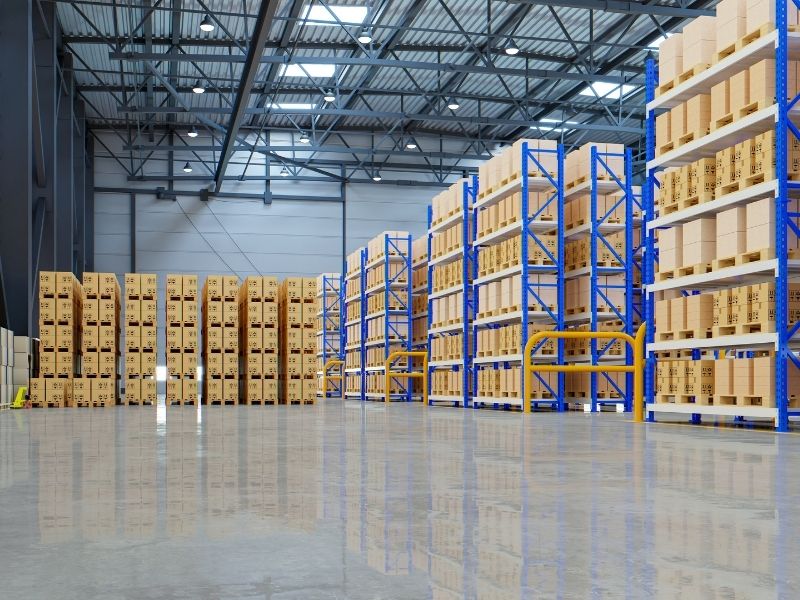
Industrial real estate warehouse is finding fresh momentum. After a period of normalization from the pandemic boom, leasing demand and user-driven space needs are showing renewed strength. Build-to-suit and owner-user projects are increasingly shaping the market’s direction, driving absorption even as speculative development recalibrates. This article explores the key drivers behind the rebound, what it means for tenants and investors, and how supply dynamics are evolving.
Demand realignment: From spec to specific
User requirements are sharpening as occupiers prioritize operational fit over generic footprints. Build-to-suit deals—tailored facilities aligned to logistics, manufacturing, and processing needs are accelerating because they reduce ramp-up time and inefficiencies. Meanwhile, owner-user acquisitions let companies lock in control, hedge rent inflation, and invest directly in core operations.
At the same time, speculative construction is moderating. Developers have grown more selective on starts, aligning with financing realities and a more disciplined pipeline. The result: a healthier balance of deliveries, where product coming online is more likely to match active demand. This “right-sizing” of supply is translating into improved net absorption and a clearer path to stable vacancy.
Visit our website and stay updated on the latest real estate news.
Capital and cost pressures: A catalyst for focus
With rising interest rates and tight credit, property developers have less appetite for new construction and tenants are carefully evaluating their overall occupancy costs than before. Build-to-suit buildings can distribute capital expenditures, optimize layouts based on labor and automation, and improve the energy performance of buildings—all of which contribute to enhancing the lifetime operating economics of those buildings.
By contrast, owner-user transactions turn rent payments into equity for the owner and provide the owner with control over future improvements or expansion.
These cost dynamics are also nudging landlords to enhance existing assets. Upgrades that support heavier power, improved clear heights where possible, and dock configurations that speed throughput are winning more tours. Functional obsolescence is being priced in, and flight-to-quality remains real—but it’s increasingly about operational functionality rather than just shiny specs.
You might like: From space to strategy: Why startups are choosing flex-leasing over ownership
Leasing and pricing: A more nuanced market
Headline rents have largely plateaued in many submarkets, but effective rents are holding as concessions remain disciplined. Where vacancy has ticked up, it often reflects the delivery of large blocks rather than a drop in underlying demand. Pre-leasing for the right product remains solid, and newer, highly functional inventory is leasing materially faster than legacy space.
Investment outlook
Investors are leaning into credit tenancy, mission-critical facilities, and markets with durable logistics or manufacturing demand. Pricing discovery is ongoing, but bid–ask gaps are narrowing as interest-rate visibility improves. Sale-leasebacks continue to unlock value for corporates seeking liquidity without disrupting operations, while forward commitments on build-to-suits offer a way to place capital with clearer cash-flow profiles.
Industrial absorption is regaining traction, powered by a pivot toward precision: build-to-suit solutions and owner-user strategies that align facilities with real operating needs. With supply pipelines moderating and users focused on speed, power, and efficiency, the sector’s foundation looks sturdier. For tenants, that means better-aligned options; for investors, a market where disciplined selection can outperform.
If you found our article useful, please share it with others and don’t forget to follow us on Facebook, Instagram and LinkedIn as well as check out our services at agorare.com
This analysis references an article discussing the recent jump in industrial absorption led by build-to-suit and owner-user projects, originally published on GlobeSt in late January 2026.