
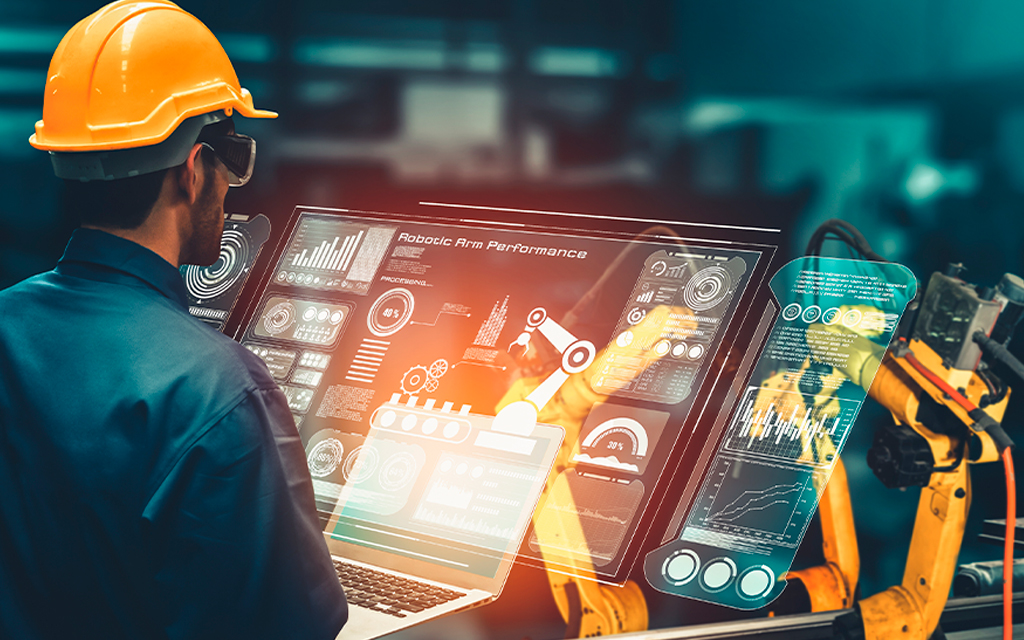
Artificial intelligence (AI) and robotics are changing industrial real estate faster than ever before. What once seemed like future technology is now becoming part of everyday warehouse operations. From automated storage systems to AI-powered inventory tracking, businesses are investing in smarter ways to improve efficiency and meet growing customer demand.
As technology continues to evolve, industrial property owners, developers, investors, and tenants must prepare for these changes. Today’s warehouses need more than extra square footage. They need reliable power, fast internet connectivity, flexible layouts, and the ability to support automation as business needs grow.
Moreover, companies that invest in future-ready industrial facilities today will be better positioned for long-term success. Modern warehouses can help businesses reduce operating costs, improve productivity, and adapt to changing supply chain demands.
Why AI and Robotics Matter in Industrial Real Estate
AI and robotics are transforming more than warehouse operations. They are changing how industrial buildings are planned, managed, and maintained. As a result, businesses can make faster decisions, reduce errors, and improve overall efficiency.
Today, many industrial facilities use AI and automation for:
- Warehouse automation and order fulfillment
- Real-time inventory management
- Predictive equipment maintenance
- Smart building monitoring
- Automated material handling
- Energy management and cost savings
In addition, these technologies help businesses respond more quickly to market changes while improving workplace safety and operational performance.
Building Smarter Industrial Facilities
Technology alone is not enough. Every automated warehouse depends on strong infrastructure to support robotics, AI, and connected systems.
For example, modern industrial buildings should include:
- Reliable electrical capacity
- Backup power systems
- High-speed fiber internet
- 5G connectivity
- Flexible warehouse layouts
- Space for future automation upgrades
Without these features, businesses may struggle to expand their operations as technology continues to advance.
Planning for the Future
Developers are no longer designing warehouses only for today’s needs. Instead, they are planning facilities that can adapt to future technologies. This approach helps attract long-term tenants and protects the value of industrial properties.
At the same time, collaboration has become more important than ever. Developers, architects, engineers, utility providers, and future tenants should work together from the beginning of every project. By planning early, they can avoid costly upgrades and create buildings that remain competitive for years to come.
The Growing Opportunity for Investors
The demand for modern industrial space continues to grow as automation becomes more common across logistics, manufacturing, and e-commerce. Consequently, investors are paying closer attention to properties that already support advanced technology or can be upgraded easily.
Industrial buildings with reliable infrastructure, strong connectivity, and room for automation are becoming more attractive to both tenants and investors. As businesses continue to modernize their operations, these features can increase occupancy, improve long-term value, and strengthen investment performance.
Final Thoughts
Robotics and AI are no longer future concepts. They are already changing how industrial facilities operate and how businesses choose warehouse space. Therefore, developers, investors, and property owners who embrace these changes today will be better prepared for tomorrow’s market.
As automation, artificial intelligence, and smart building technology continue to evolve, industrial real estate will also continue to change. Companies that invest in flexible, technology-ready facilities today will have a stronger competitive advantage in the years ahead.
Source: This article is based on industry trends and insights discussed by the Society of Industrial and Office Realtors (SIOR) and expanded with original analysis focused on industrial real estate, warehouse development, logistics facilities, and emerging technology.
Source: https://sior.com/